Who's In Charge Out There? What Kids' Social Pecking Orders Actually Teach Them
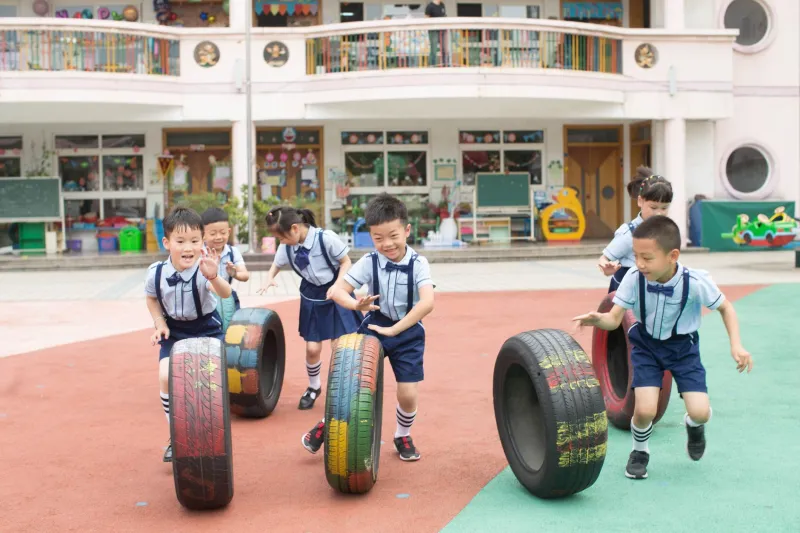
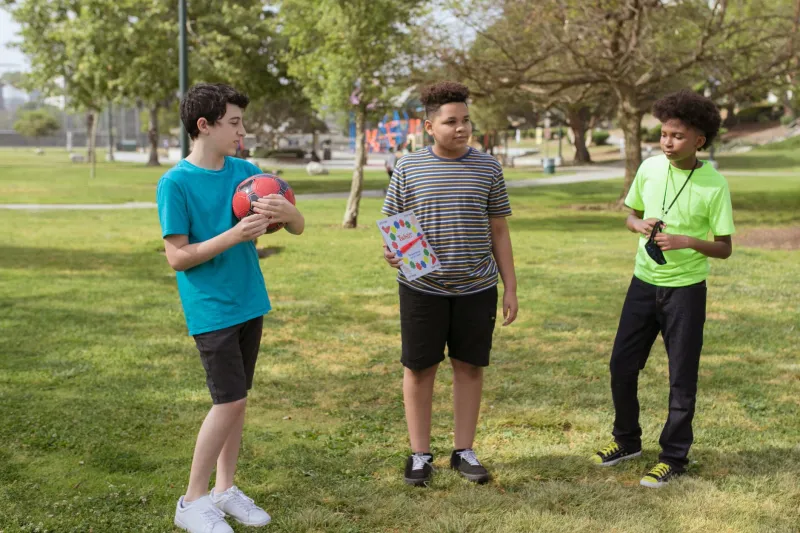
Spend twenty minutes watching kids at a park and you'll see something that looks, on the surface, a little chaotic. Someone declares they're the leader of the game. Someone else pushes back. Alliances form. Rules get renegotiated. Somebody storms off and comes back two minutes later. Somebody new gets folded into the group—or doesn't.
To adult eyes, this can look like a problem waiting to happen. To developmental psychologists, it looks like a masterclass.
The Invisible Architecture of Kids' Groups
Children don't need adults to assign roles or establish order. Given enough time and space, they do it themselves—and they do it with a sophistication that often goes unrecognized.
Researchers who study peer dynamics in early and middle childhood have documented what they call "dominance hierarchies"—social structures that emerge naturally in groups of kids. These aren't just about who's the bossiest or the biggest. They're complex systems shaped by social skill, creativity, humor, confidence, and the ability to read a room. The kid who "leads" on the playground often does so because they're good at generating ideas, managing conflict, or keeping the energy high—not just because they're loud.
These hierarchies shift. A child who leads a game of tag might not be the one calling shots when it comes to building a fort. Leadership in kids' groups tends to be more fluid and context-dependent than the rigid org charts adults are used to. That fluidity is part of what makes it such a rich learning environment.
What Kids Are Actually Learning When They Navigate Social Dynamics
When a child figures out how to get included in a group that wasn't initially welcoming, they're practicing something no worksheet can teach. When they push back against a rule they think is unfair and have to deal with the social consequences, they're developing real negotiation skills. When they lose status in a group and have to decide what to do next, they're building resilience.
Here's a short list of what's quietly happening during a typical afternoon of unstructured group play:
- Reading social cues. Kids learn to notice who's in a good mood, who's about to blow, and how to adjust their behavior accordingly. This is the foundation of emotional intelligence.
- Asserting themselves without backup. When there's no adult to appeal to, kids have to advocate for themselves. That's a skill that takes practice.
- Understanding fairness from the inside out. Kids develop their own sense of what's fair through experience—not through rules handed down from above. That internally generated sense of fairness tends to stick.
- Managing disappointment. Not getting picked first. Not being the leader. Losing the argument. These small defeats, handled in a low-stakes environment, are exactly how kids build the emotional muscle to handle bigger ones later.
Where Adults Go Wrong—With the Best Intentions
Most adults who intervene in kids' social dynamics are trying to be fair. Nobody wants to watch a child get left out or see a bossy kid dominate every game. Those instincts are good. The problem is how we act on them.
When adults step in to enforce rigid inclusion rules—everyone must be invited, everyone must get a turn, no one can be the leader twice—they short-circuit the process kids are in the middle of. The negotiation stops. The social problem-solving stops. Kids learn to wait for an adult to resolve things rather than developing the capacity to do it themselves.
There's also a fairness paradox worth naming: adult-imposed fairness often isn't actually fair in the way kids experience it. A child who worked hard to build social credibility in a group—who spent weeks learning the unwritten rules, contributing ideas, and earning trust—suddenly has that currency erased by an adult who mandates equal turns. From that child's perspective, the adult just made things less fair, not more.
This doesn't mean anything goes. Genuine cruelty, exclusion rooted in bias, or bullying are different matters entirely and do require adult intervention. But a lot of what gets labeled as "unfair" on playgrounds is actually just the natural friction of social negotiation—and that friction is doing important work.
The Difference Between Cruelty and Complexity
This is the part that requires the most nuance from parents and caregivers, because the line isn't always obvious in the moment.
Social complexity looks like: a group deciding who gets to be the captain of their imaginary ship, some kids feeling disappointed about that, and then the group working through it over time. There may be tears. There may be a few minutes of drama. But the kids are engaged in a genuine social process.
Cruelty looks like: a child being systematically excluded based on characteristics they can't change, being mocked or humiliated, or being targeted repeatedly by the same kids. This isn't a learning moment for anyone—it's harm, and it needs adult attention.
Learning to tell the difference is one of the most valuable skills a parent or teacher can develop. Observation before intervention is almost always the right move. Watch for a few minutes before stepping in. Ask yourself: are the kids working through something, or is someone being genuinely hurt?
What Kids Need From Adults (That Isn't Intervention)
This is the part that often surprises people: kids navigating complex social dynamics don't primarily need adults to fix things. They need adults to be a safe place to process things.
When your kid comes home frustrated because they didn't get to be team captain or someone changed the rules mid-game, the most useful thing you can offer is a listening ear and some gentle questions—not a promise to call the other kid's parents or a declaration that the whole thing was unfair.
What did you try? How did the other kids respond? What do you think you'll do differently next time?
These questions treat your child as a capable social agent. They communicate that you believe they can figure this out. And that belief—more than any intervention—is what actually helps.
Letting the Playground Do Its Job
At Emily's Playground, we believe in trusting kids with more than we usually do. That extends to their social lives. The playground—real or metaphorical—is one of the most sophisticated learning environments kids have access to. It's messy and sometimes uncomfortable, but it's also where some of the most important development of childhood happens.
The social structures kids build on their own aren't perfect. But they're theirs. And learning to navigate them—with all the frustration, creativity, and eventual triumph that involves—is exactly what growing up is supposed to look like.