Stranger Danger? Not on the Playground: Why Playing With New Kids Is Actually Good for Your Child
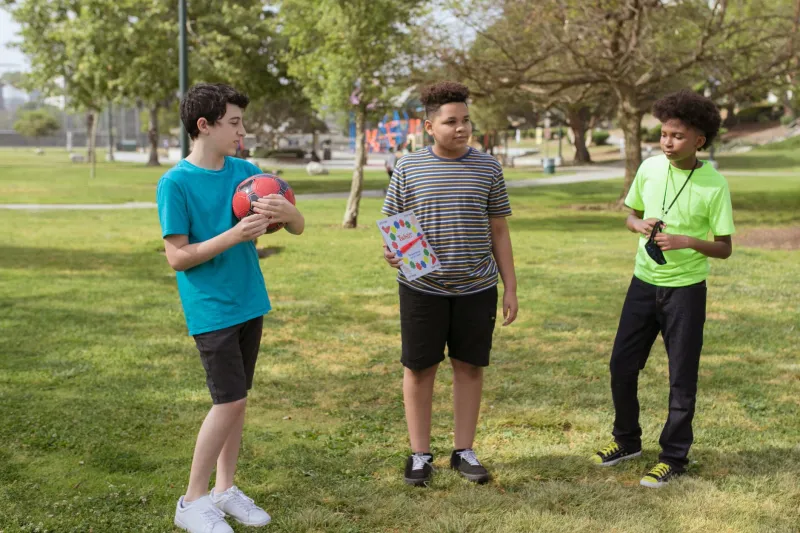
Picture this: your kid is at the park, hanging out with the same two friends they've known since kindergarten. They're comfortable, they're happy, and everything feels easy. That's wonderful—genuinely. But here's a question worth sitting with: when was the last time your child had to figure out someone brand new?
Most of us default to what feels safe. We schedule playdates with familiar faces, sign kids up for activities where they already know someone, and quietly breathe a sigh of relief when they don't have to navigate the awkward first five minutes with a stranger. But research in developmental psychology keeps pointing to something a little inconvenient: kids who regularly interact with unfamiliar peers actually build a different—and in some ways stronger—kind of social muscle.
Let's talk about what that means, and more importantly, how to make it happen without turning it into a whole stressful thing.
Why Familiar Friendships Aren't the Whole Picture
Close friendships are irreplaceable. Kids need people who know their quirks, remember their jokes, and stick around through the rough patches. Nobody's arguing otherwise.
But here's the catch: when kids only ever play with the same group, they're essentially practicing social skills on easy mode. Everyone already knows the rules. Everyone already knows who likes what. The give-and-take is mostly automatic.
Meeting someone new is a completely different workout. Your child has to read unfamiliar body language, figure out how to enter a game they didn't design, negotiate preferences with someone who has zero context for who they are, and recover when things get a little awkward—because they will. That's not a flaw in the process. That's the whole point.
Developmental researchers call this kind of social stretching a key ingredient in building what's sometimes called social resilience—the ability to adapt, recover, and connect across a wide range of situations and personalities. Kids who practice it regularly tend to feel more confident in new environments, handle transitions better, and show more flexibility when plans change.
The Cognitive Bonus Nobody Talks About
There's a brain angle here too, and it's pretty cool. When your child meets a new peer, their brain is working harder than it looks. They're processing novelty, making quick inferences about another person's mood and intentions, adjusting their communication style in real time, and managing the low-grade uncertainty that comes with not knowing how things will go.
That's a lot of mental lifting—and it's exactly the kind of flexible thinking that helps kids problem-solve, read social cues, and develop empathy. In other words, the slightly uncomfortable experience of playing with someone unfamiliar is quietly building cognitive skills that carry way beyond the playground.
'Friendship Stretching' Doesn't Have to Be Forced
Here's where a lot of parents hit a wall. The idea sounds good in theory, but nobody wants to shove their anxious seven-year-old toward a stranger and say "Go make a friend!" That's not stretching—that's stress.
The good news is that the best version of this is low-pressure, context-driven, and honestly kind of natural when you set it up right.
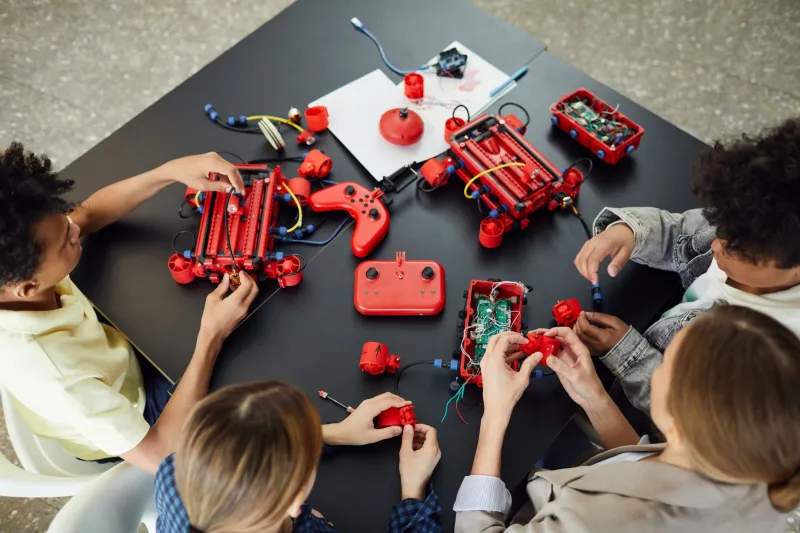
Try activity-first settings. When kids have something to do together—a craft table at a community event, a pickup game at the park, a summer camp challenge—the activity does the social heavy lifting. Nobody has to think about what to say. The game gives them a reason to be together, and connection can grow from there.
Look for mixed-age play opportunities. Neighborhood block parties, library events, and family gatherings often put kids in contact with peers who aren't from their usual social circle. These settings feel casual enough that kids don't feel like they're being tested.
Normalize the awkward. Before you head somewhere new, you can say something like, "It might feel a little weird at first not knowing anyone—that's totally normal. Give it a few minutes." Just naming it takes some of the pressure off.
Debrief lightly afterward. On the way home, a simple "Did you end up playing with anyone new?" opens the door without demanding a full emotional download. Celebrate small wins—even a five-minute exchange counts.
What to Do When Your Kid Hangs Back
Some kids are natural social butterflies who'll introduce themselves to anyone within thirty seconds. Others would rather observe for forty-five minutes before they feel ready to join in. Both are completely valid.
If your child tends to hang back, resist the urge to push or problem-solve. Instead, stay nearby and model relaxed social behavior yourself—chat with another parent, greet someone warmly, show your kid what low-stakes connection looks like. Kids absorb more from watching us than we realize.
You can also give them a simple script if they want one. Something like, "Can I play too?" or "What are you building?" isn't fancy, but it works. Having a line ready can reduce the mental load enough that they're willing to try.
The Long Game
Here's the thing about friendship stretching: you're not just helping your kid make a new friend today. You're helping them become the kind of person who can walk into a new job, a new city, a new situation years from now and figure out how to connect.
That's a skill. And like most skills, it takes practice—a little uncomfortable, a little clunky at first, and completely worth it.
So the next time you're at the park and your kid's usual crew isn't around, maybe don't rush to fill the gap. Let them sit in the unfamiliar for a minute. Let them figure out how to start something new. You might be surprised how quickly they do.