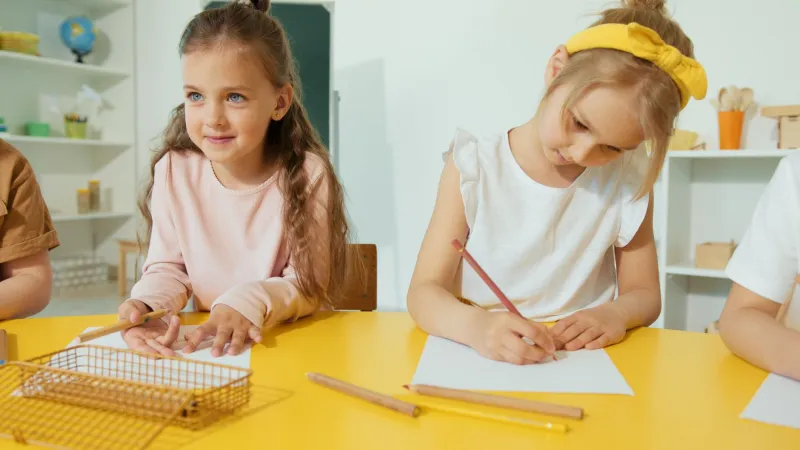
Step Back, Watch the Magic: Why Kids Learn More When You Let Them Struggle First
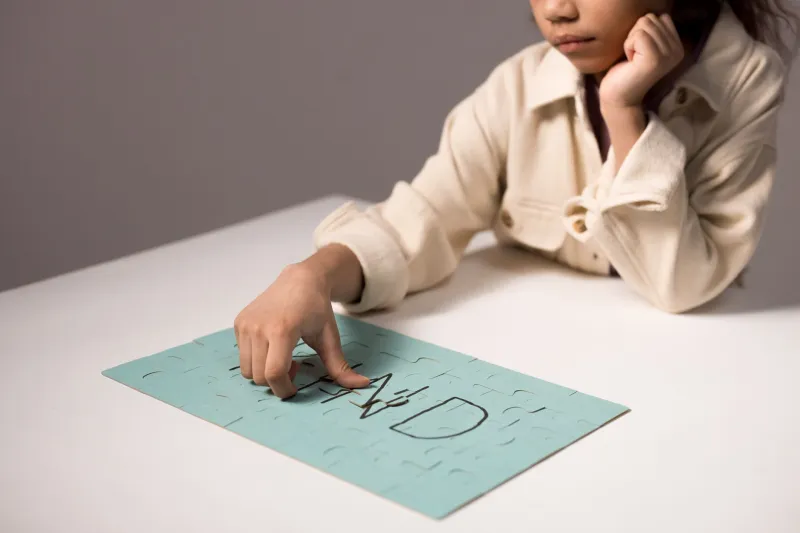
Picture this: your seven-year-old is sitting at the kitchen table, staring at a pile of Lego bricks, trying to figure out why her tower keeps falling over. She's frowning. She's quiet. She rebuilds it, and it collapses again. Every instinct you have is screaming say something. Explain the base. Show her how to stagger the pieces. Fix it.
But what if that urge — as loving and well-meaning as it is — is actually the thing standing between her and a genuine lightbulb moment?
The Reflex to Explain (And Why It's So Hard to Ignore)
Parents explain things. That's kind of the job, right? You've spent years helping your kid navigate a world that's bigger and more confusing than they can fully grasp. So when they look stuck, it feels almost wrong not to step in.
But there's a difference between a child who needs a lifeline and a child who's doing exactly what their brain is supposed to do. That frustrated, slightly glazed expression? It's not always a signal that something's going wrong. Sometimes it's the look of a brain actively building new pathways.
Researchers call this productive struggle — the mental effort that happens when a child is challenged just beyond what they already know. It's not comfortable, but it's incredibly valuable. When kids push through that discomfort and arrive at an answer on their own, the understanding they gain is deeper, stickier, and more transferable than anything they'd absorb from a quick explanation.
What the Research Actually Says
Studies in educational psychology have consistently found that children who are allowed to explore a concept before being taught it formally tend to retain it better and apply it more flexibly later on. One well-known line of research refers to this as the generation effect — the idea that information you generate yourself is far more memorable than information handed to you.
Think about the last time you figured out a shortcut on your phone by accident. You probably still remember it, right? Now think about the last time someone showed you a keyboard shortcut in a training session. Gone by Tuesday.
The same principle works in kids. When a child tries, fails, adjusts, and tries again, their brain is doing something really important: it's building a mental model. And mental models — not memorized facts — are what real problem-solving is made of.
Stuck vs. Struggling: How to Tell the Difference
Okay, so you're not supposed to jump in. But you're also not supposed to let your kid sit in frustrated silence for forty-five minutes while their confidence slowly crumbles. So how do you know when to hold back and when to step in?
Here are a few things to watch for:
Signs of productive struggle:
- They're still trying different approaches, even if none are working yet
- They're talking to themselves, narrating what they're doing
- Frustration is present but mild — they're annoyed, not melting down
- They haven't asked for help yet
Signs they might genuinely need support:
- They've completely stopped engaging and are staring blankly
- They've asked for help more than once
- The frustration has escalated to real distress
- They're missing a foundational piece of knowledge that makes the task genuinely impossible without it
The key question to ask yourself is: Can they make progress from here, even slowly? If yes, wait. If no, it might be time to offer a small nudge — not the answer, but a question or a hint that opens a door.
The Art of the Helpful Non-Answer
When you do step in, the goal isn't to solve the problem for them. It's to help them get unstuck enough to keep going on their own. This is where a lot of parents (and teachers, honestly) get tripped up. We conflate helping with explaining, and those aren't the same thing.
Some approaches that work well:
Ask a question instead of giving an answer. "What do you think would happen if you tried it a different way?" or "What have you already noticed?" These prompts invite kids to use what they already know rather than waiting for you to fill in the blanks.
Reflect their thinking back to them. "So you tried this, and it didn't work. What did that tell you?" This helps kids see their "failures" as data rather than dead ends.
Offer a smaller problem. If the big task is too overwhelming, break off a tiny piece they can manage. Success at the small scale often unlocks momentum for the larger challenge.
Name the struggle without rushing to fix it. Sometimes just saying "This part is tricky, isn't it? Lots of people find this hard" is enough to help a kid settle in and keep going.
Reframing What "Good" Parenting Looks Like Here
There's a cultural narrative in the US that equates good parenting with being involved, engaged, and proactive. And most of the time, that's totally true. But in the context of learning, "involved" doesn't always mean "explaining." Sometimes the most involved thing you can do is sit nearby, stay quiet, and trust the process.
It can feel passive. It might even feel a little unkind, watching your kid wrestle with something you could resolve in thirty seconds. But what you're actually doing is communicating something powerful: I believe you can figure this out.
That message — delivered not in words but in the simple act of not jumping in — does something for a child's sense of capability that no explanation ever could.
A Little Playground Philosophy
At Emily's Playground, we're big believers in the idea that the best learning doesn't always look neat and tidy. It looks like a kid who's a little frustrated, a little determined, and totally absorbed in a problem that matters to them. That's not a kid who needs rescuing. That's a kid who's growing.
So the next time you see that furrowed brow and the shaky tower, try waiting just a little longer than feels comfortable. You might be surprised by what happens when you give curiosity the space to do its job.
The answer they find on their own? That one's going to stick.