Quit Like a Champion: Why Letting Kids Walk Away From the Wrong Hobby Is Actually Great Parenting

Somewhere between Little League sign-ups and the third consecutive Saturday of beginner violin lessons, most parents have a quiet moment of honesty: my kid really does not want to be here. And then, almost immediately, the guilt kicks in. What kind of message does it send if we let them quit? Won't they just give up on everything hard?
Here's the thing — that fear, while totally understandable, might be getting in the way of something more important. Teaching kids when to walk away is just as valuable as teaching them to stick it out. The trick is knowing the difference between the two.
The "Never Quit" Myth We Inherited
American culture has a complicated relationship with quitting. From youth sports to school clubs, there's enormous social pressure on both kids and parents to finish what they started, no matter what. Grit, resilience, follow-through — these are words we hear constantly in parenting circles, and they're not wrong values. Persistence genuinely matters.
But somewhere along the way, "don't quit" got stretched into "never quit anything, ever, under any circumstances." And that's where the advice starts to fall apart.
When we treat quitting as automatically shameful, we accidentally teach kids to ignore their own instincts, push through experiences that are genuinely harmful or joyless, and feel like failures for having preferences. That's not building resilience — that's building a kid who doesn't trust themselves.
Productive Struggle vs. Pointless Suffering
There's real science behind the idea that challenge builds kids up. When children work through something difficult — a tricky puzzle, a tough swim lesson, a frustrating art project — they develop what researchers call "self-efficacy," the belief that effort leads to results. That's a powerful thing to grow in a child.
But productive struggle has a defining feature: it's going somewhere. The kid is frustrated, yes, but underneath that frustration is curiosity, or the flicker of improvement, or something they actually care about reaching.
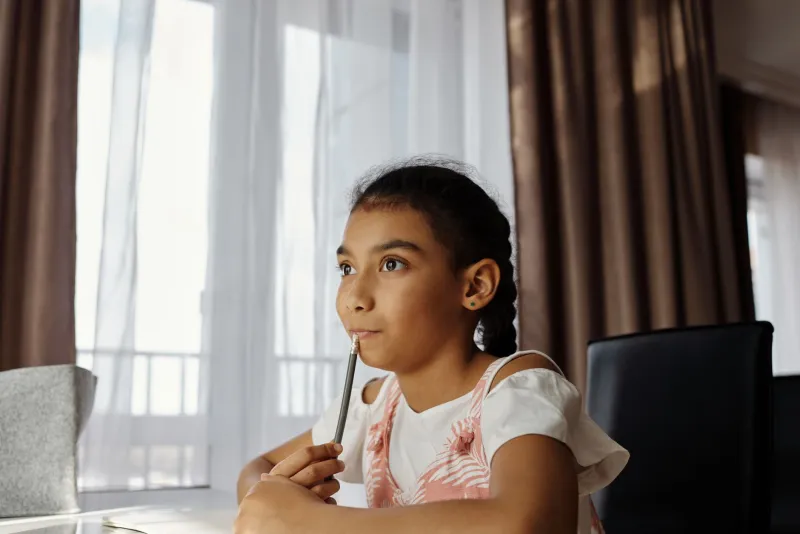
Pointless suffering looks different. It's the glazed expression at the piano bench every single week. It's the kid who dreads Thursdays because that's soccer practice. It's tears that aren't about working hard — they're about dreading something that feels completely disconnected from who your child is.
The question worth asking isn't "is my kid struggling?" It's "is this struggle leading anywhere they actually want to go?"
Signs It Might Be Time to Have the Conversation
Kids aren't always great at articulating what they need, which means parents have to do a little reading between the lines. Here are some signals that an activity might genuinely not be serving your child:
- Consistent dread, not just occasional grumpiness. Every kid has off days. But if the same activity reliably produces anxiety, meltdowns, or that particular slumped-shoulder energy every single week for months, that's worth paying attention to.
- No moments of joy, ever. Even hard things usually have bright spots — a skill clicked, a friend was there, something was funny. If your child can't name a single good thing about an activity after a reasonable stretch of time, that's meaningful.
- It's crowding out things they love. If swim team is eating up so much time and emotional energy that your kid has stopped drawing, reading, or doing the things that genuinely light them up, the math might not be adding up.
- They've grown into a different person. Kids change fast. An activity that was a perfect fit at six might feel like a bad costume at eight. That's not failure — that's development.
How to Actually Have This Conversation
Once you've decided it's worth exploring, the conversation itself matters a lot. Here's a framework that tends to work well with kids:
Start with curiosity, not conclusions. Instead of "do you want to quit?" try "what's been going on with gymnastics lately?" Open-ended questions give kids room to tell you what's actually happening rather than just answering yes or no.
Separate the activity from the identity. Make sure your child knows that stopping something doesn't mean they failed, that you're disappointed, or that they're a quitter. You might say something like, "Just because this one thing isn't the right fit doesn't mean anything about who you are or what you're capable of."
Acknowledge the hard parts without dismissing them. "Yeah, learning new things is genuinely tough" goes further than "it'll get easier, just wait." Validation first, perspective second.
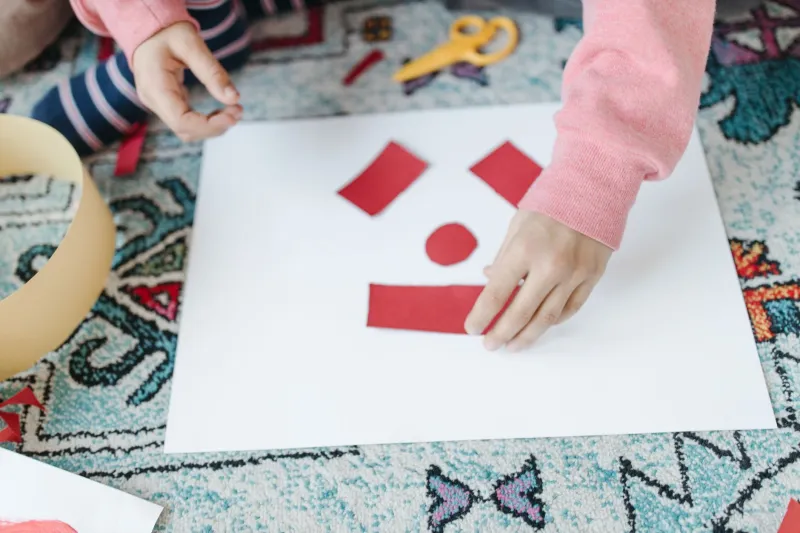
Explore what they'd rather be doing. Sometimes kids want to quit because they've discovered a passion elsewhere. That's not a problem — that's information. Ask what they'd spend that time on instead.
Set a reasonable endpoint together. If they've made commitments to a team or a class, it's still worth finishing out a session or honoring agreements. But there's a big difference between "let's finish this season" and "you must do this for another year because we already paid."
What You're Actually Teaching Them
When you help a child thoughtfully walk away from something that isn't working, you're not teaching them that hard things can be avoided. You're teaching them something much more sophisticated: self-knowledge.
Kids who learn to distinguish between "this is hard and I want to push through" and "this genuinely isn't for me" grow into adults who make better decisions about their time, their relationships, and their careers. They know how to evaluate their own experience instead of just white-knuckling through life because someone told them quitting is always weakness.
That's a skill that will serve them in college, in friendships, in workplaces, and in every corner of adult life where knowing yourself is the whole ballgame.
Finding the Next Thing
One of the best parts of letting a child step away from a bad fit is what happens next. Freed from something that was draining them, kids often rediscover energy and curiosity pretty quickly. This is a great moment to explore — maybe loosely, without pressure — what else might spark something in them.
Keep it low-stakes. Try a one-day workshop before signing up for a semester. Let them watch a YouTube video about pottery or robotics or rock climbing before committing to a class. Give them space to sample without the weight of a big decision hanging over everything.
At Emily's Playground, we believe kids learn and grow best when they feel free to explore — and that includes exploring what doesn't work. The goal was never to produce a child who finishes everything they start. The goal is to raise a kid who knows themselves, trusts themselves, and keeps showing up for the things that genuinely matter to them.
Sometimes the bravest thing a kid can do is say, "actually, this isn't for me" — and mean it without shame.
That's not quitting. That's growing up.