Give Summer Back to Your Kids: Why Empty Weeks Grow Better Humans Than Packed Schedules

It starts sometime in April. The emails roll in. Soccer camp registration is open. Theater intensive — only a few spots left. STEM academy, swim lessons, coding workshop, art studio. Before you know it, you're color-coding a summer calendar that looks suspiciously like a school schedule with a pool thrown in.
We do it out of love. We do it out of fear. We do it because everyone else seems to be doing it, and the idea of your kid sitting on the couch in July feels vaguely irresponsible. But here's what the research — and a lot of child development experts — keeps telling us: the unscheduled summer isn't wasted time. It might actually be the most valuable time your kid gets all year.
The Problem With Always Having Something to Do
When kids move from activity to activity, someone else is always setting the agenda. A coach blows the whistle. An instructor gives directions. Even well-designed camps, as wonderful as they are, operate on a schedule someone else built. Kids show up, participate, and go home.
That's not bad — structured programs absolutely have their place. But if that's all summer is, kids never get the chance to practice one of the most important skills there is: figuring out what to do when no one is telling them what to do.
Self-direction is a muscle. And like any muscle, it only grows when you actually use it. Psychologist Peter Gray, who has spent decades studying play and child development, argues that the dramatic rise in childhood anxiety and depression over the past 50 years tracks almost perfectly with the decline of free, unsupervised play. Kids who never get to manage their own time struggle to manage themselves as teens and adults. The packed summer calendar, however well-intentioned, can quietly rob kids of the very practice they need.
What 'Boring' Summers Actually Produce
Here's the thing about deep, creative boredom — the slow, meandering kind that happens on a Tuesday afternoon with nothing on the schedule — it doesn't look productive from the outside. A kid lying in the backyard staring at clouds doesn't look like they're developing resilience. A kid who spends three days building a cardboard city in the garage doesn't look like they're learning project management.
But they are.
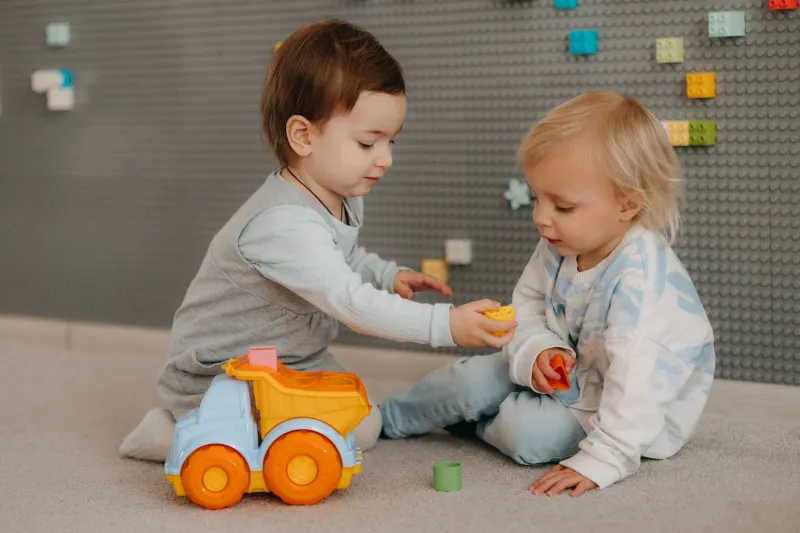
Unstructured time forces kids to generate their own problems and their own solutions. They get bored, they get restless, and then — if adults resist the urge to swoop in and fix it — they get creative. They build things. They invent games. They write stories, start clubs, dig holes, catch bugs, and occasionally just sit quietly and think. All of that internal activity is doing serious developmental work: building self-motivation, frustration tolerance, imaginative thinking, and a genuine sense of who they are and what they enjoy.
And here's something worth sitting with: most of the interests that become lifelong passions don't start in a structured program. They start in an idle afternoon.
The Pressure Is Real — Let's Name It
If you're feeling defensive right now, that's fair. The pressure to over-schedule isn't imaginary. It's social, it's cultural, and for many families it's economic — camps double as childcare, and not every parent has the luxury of leaving whole weeks open.
There's also the competitive undertow. When other kids are spending summer building their résumés (yes, even in elementary school), stepping back can feel like falling behind. Nobody wants their kid to be the one who "didn't do anything" this summer.
But consider what "doing something" actually means. A kid who spends six weeks at a prestigious camp learning skills they weren't particularly interested in has done something. A kid who spends six weeks at home following a weird obsession with weather patterns, building a backyard rain gauge, and teaching themselves to read radar maps has also done something — arguably something more meaningful, because it came entirely from within.
How to Build a Summer That Actually Has Room in It
You don't have to go cold turkey. The goal isn't zero structure — it's enough open space that kids can actually settle into themselves. Here are some ways to make that happen:
Protect at least one full week with nothing on the calendar. Not a light week — an actually empty one. It will feel uncomfortable at first, for you and for them. Push through it. The magic usually starts around day three.
Say no to one thing you'd normally say yes to. Just one. Pick the activity that's more about your anxiety than their genuine interest and leave that slot open. See what fills it.
Resist the urge to entertain. When your kid says "I'm bored," try responding with genuine curiosity instead of solutions. "Hm, what do you think you might want to do?" It puts the problem — and the creative power — back where it belongs.
Create a loose rhythm, not a schedule. There's a difference between structure and scheduling. A rhythm might look like: mornings are for outside time, afternoons are free-choice, evenings are family time. That's enough to keep chaos from taking over without micromanaging every hour.
Let them be bad at free time at first. Kids who've been heavily scheduled sometimes genuinely don't know how to entertain themselves. That's okay. The discomfort of not knowing what to do is actually the beginning of figuring it out. Give it time.
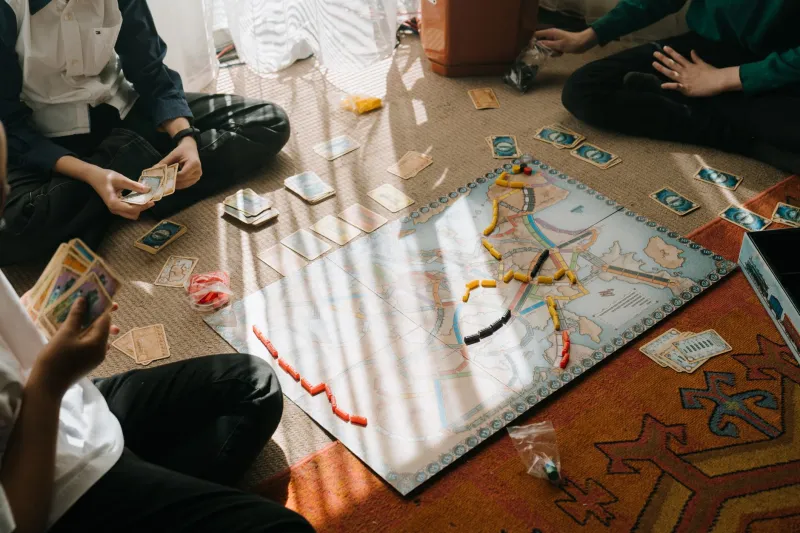
Have some loose supplies available. You don't need an elaborate craft station. A bin of cardboard, tape, markers, and random household stuff is enough to spark hours of invention. The point is to have raw material, not a kit with instructions.
What You Might Notice by August
Parents who intentionally build unstructured summers often report the same thing: somewhere around mid-July, something shifts. The "I'm bored" complaints taper off. Kids start waking up with plans already forming. They become protective of their projects, their games, their invented worlds. They get into things in a way that a scheduled program rarely produces.
That's the deep creative boredom doing its work. That's a kid discovering that they are, all on their own, a pretty interesting person with real ideas and genuine interests.
No camp brochure can promise you that. But an empty Tuesday in July just might deliver it.
This summer, consider giving your kid the gift of a little less. Less to do, less to rush toward, less of your calendar and more of their own. It's one of the quietest, most powerful things you can do — and the growth that comes from it tends to stick around long after the school buses start running again.