The Magic of the Hundredth Time: Why Kids Crave the Same Story, Song, and Game
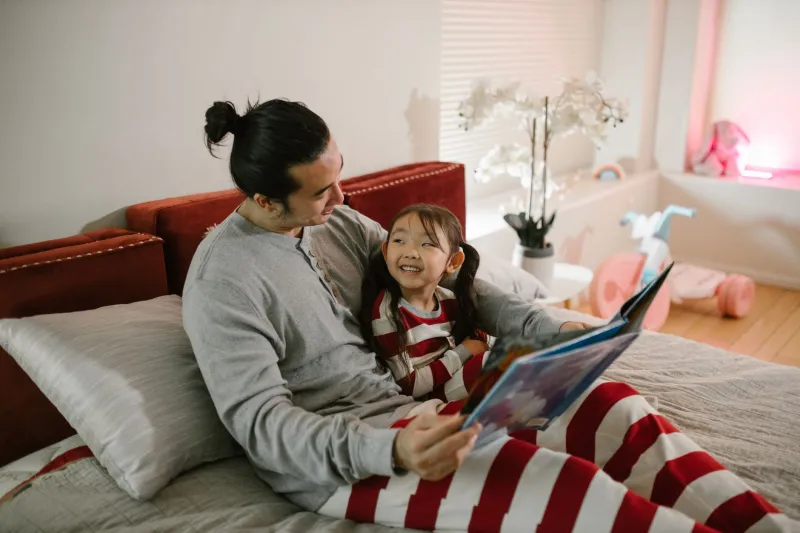
Ask any parent of a preschooler about the hundredth reading of the same bedtime book, and you may get a thousand-yard stare. The same story. The same voices. The same page where the bear loses his hat. Again. And again. And again.
It can feel like a glitch in the imagination system. Shouldn't a creative kid want variety? But repetition is not the opposite of creativity. In early childhood, it is one of the main engines. The same game, song, or story is not a rerun to a young child. It is a workout, a comfort object, and a victory lap all at once.
The Brain Likes a Good Rerun
Young brains are building highways. Every time a child hears the same story or plays the same game, the neural pathways involved get a little stronger and a little faster. This is sometimes described as 'neurons that fire together, wire together.' Repetition is how the brain turns a wobbly new skill into an automatic one.
There is also a load-lifting effect. When a story is familiar, a child does not have to work as hard to follow the plot. That frees up attention for other things: the rhythm of the words, the expression on your face, the tiny details in the pictures. The hundredth reading is not the same reading. It is a different reading with a more experienced reader.
Prediction Is a Power Move
Kids love to know what comes next. That is not a lack of curiosity. It is a taste of mastery. When your child shouts the next line before you turn the page, they are not showing off. They are demonstrating that they have built a model of the story in their head. They predicted, and the world matched. That feels good.
This is one reason repetition can be so calming. Predictability lowers the stakes. A child who knows exactly what happens next can relax and enjoy the ride. For a kid who spends most of the day being told what to do, a familiar story is a small kingdom where they know the terrain.
Mastery Looks Like a Loop
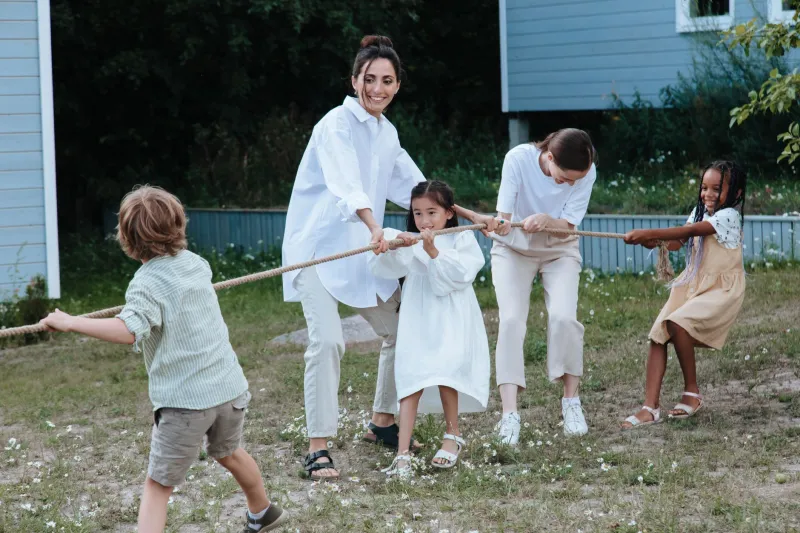
The same board game, the same chase game, the same song with the same hand motions—these are practice loops. Each round gives a child another chance to refine a skill. Maybe this time they remember the rule. Maybe this time they can sing the whole chorus. Maybe this time they can be the one who explains the game to a friend.
Adults tend to think of learning as a straight line from easy to hard, new to newer. Kids often learn in spirals. They come back to the same activity again and again, each time with a little more skill and a little more confidence. The loop is not a trap. It is a staircase.
Why 'Again' Isn't a Failure of Imagination
We live in a culture that prizes novelty. New toys, new shows, new activities, new enrichment. It is easy to assume that a child who wants the same thing again is stuck. But repetition is often a choice, not a limitation. The child is saying, 'This is working for me. I want more of this.'
That does not mean you can never introduce something new. It means you do not have to panic when they want the familiar. A child who loves one story deeply is not doomed to love only one story forever. They are building a foundation.
Enrich the Loop Without Hijacking It
You do not have to read the same book in the same way forever. Small variations can add freshness without pulling the rug out. Try pausing before a favorite line and letting your child fill it in. Ask, 'What do you think happens next?' even though you both know. Let your child be the narrator and you be the audience. Use a silly voice for one character. Swap one word and see if they catch it. Add a tiny extension after the story: draw the bear's hat, act out the ending, or make up a new page together.
The key is to follow your child's lead. If they want the exact same experience, give it to them. If they are ready for a small twist, add one. You are not the director of their imagination. You are the stagehand.
When Repetition Is Worth a Second Look
Most repetition is healthy. But if a child's need for sameness is rigid and distressing—if they cannot handle any change without a meltdown, or if repetition crowds out other kinds of play—it is worth mentioning to a pediatrician or early childhood specialist. You are not looking for a diagnosis in a bedtime story. You are just paying attention.
For the vast majority of kids, 'again' is not a warning sign. It is a request for more practice, more comfort, and more of that good feeling that comes from knowing what happens next.
So read the book again. Play the game again. Sing the song again. Your child is not stuck. They are building a brain, one encore at a time.